
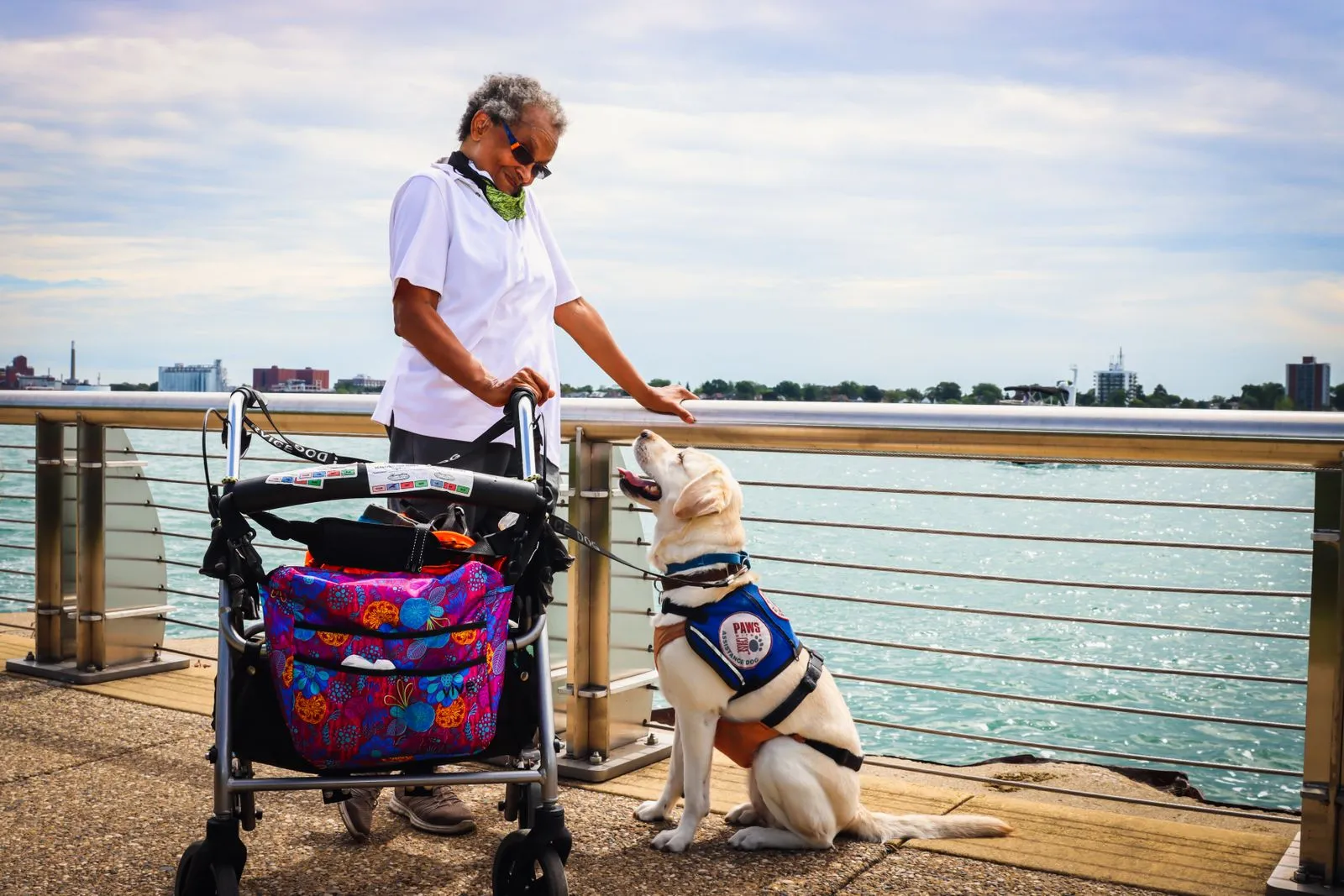
Adopting a pet with extra needs can be rewarding, and asking detailed questions helps you prepare for the care involved. “Extra needs” may refer to a medical condition, disability, ongoing medication, a specific diet, or behavior that calls for patient support. Ask the rescue what the pet’s day looks like, what care is already in place, and where challenges may arise. Honest answers help you assess whether your home, schedule, budget, and experience are a good fit.
Understand the Daily Routine
Ask what a typical day involves, including feeding times, medication, exercise, toileting, grooming, and rest. Find out whether the pet needs help moving around, special equipment, or supervision during certain activities. Ask how long the pet can comfortably be alone and whether they have established routines that should continue after adoption.
Clarify what supplies and setup the pet currently uses. For example, ask about food texture, litter or toileting arrangements, mobility aids, bedding, and steps or ramps. If possible, request written care instructions and a demonstration. A few days of practice before adoption can make the transition calmer for both you and the pet.
Discuss Veterinary Support
Ask for the pet’s medical records, current diagnoses, test results, vaccination information, and medication list. Find out what symptoms to watch for, what care is ongoing, and whether any follow-up appointments are recommended. Ask the rescue to distinguish confirmed information from concerns that still need assessment; this helps you plan without making assumptions.
Discuss likely veterinary needs with your own veterinarian before you commit. Ask the rescue whether the pet has a regular clinic, how they handle urgent issues, and whether the pet is comfortable with examinations or treatment. Consider transport needs and whether you can manage the expected appointments and medication routine. Confirm any care arrangements in writing.
Ask About Behavior and Comfort
Ask how the pet behaves around people, children, other animals, handling, noises, and unfamiliar places. Find out what situations cause fear or discomfort and what signs the pet shows when they need space. Ask which approaches help them settle and whether any behavior has changed over time or in particular settings.
Request examples rather than relying only on broad labels such as shy or reactive. Ask how the pet responds to being touched in sensitive areas, having medication given, or using mobility equipment, if relevant. Discuss any training or behavior support already tried and what the rescue recommends next. A gradual introduction plan can help everyone adjust safely.
Learn the Pet’s History
Ask what is known about the pet’s previous homes, routines, and experiences, and be prepared for gaps in the record. Find out why the pet came into rescue and how long staff or foster carers have observed them. Ask which details are based on direct observation and which came from earlier reports.
Talk through your household, schedule, and expectations with the rescue. Ask what kind of home has suited the pet so far and what changes may be difficult. You can also ask whether a meet-and-greet, trial arrangement, or follow-up support is available. Gentle Paws Rescue can discuss these practical questions with prospective adopters in Melbourne.
Before deciding, make sure you understand the pet’s daily care, veterinary needs, behavior, and known history—and be honest about what you can provide. Write down any unanswered questions and discuss them with the rescue and your veterinarian. A careful conversation can help you choose a suitable match and prepare for a reassuring start together.