
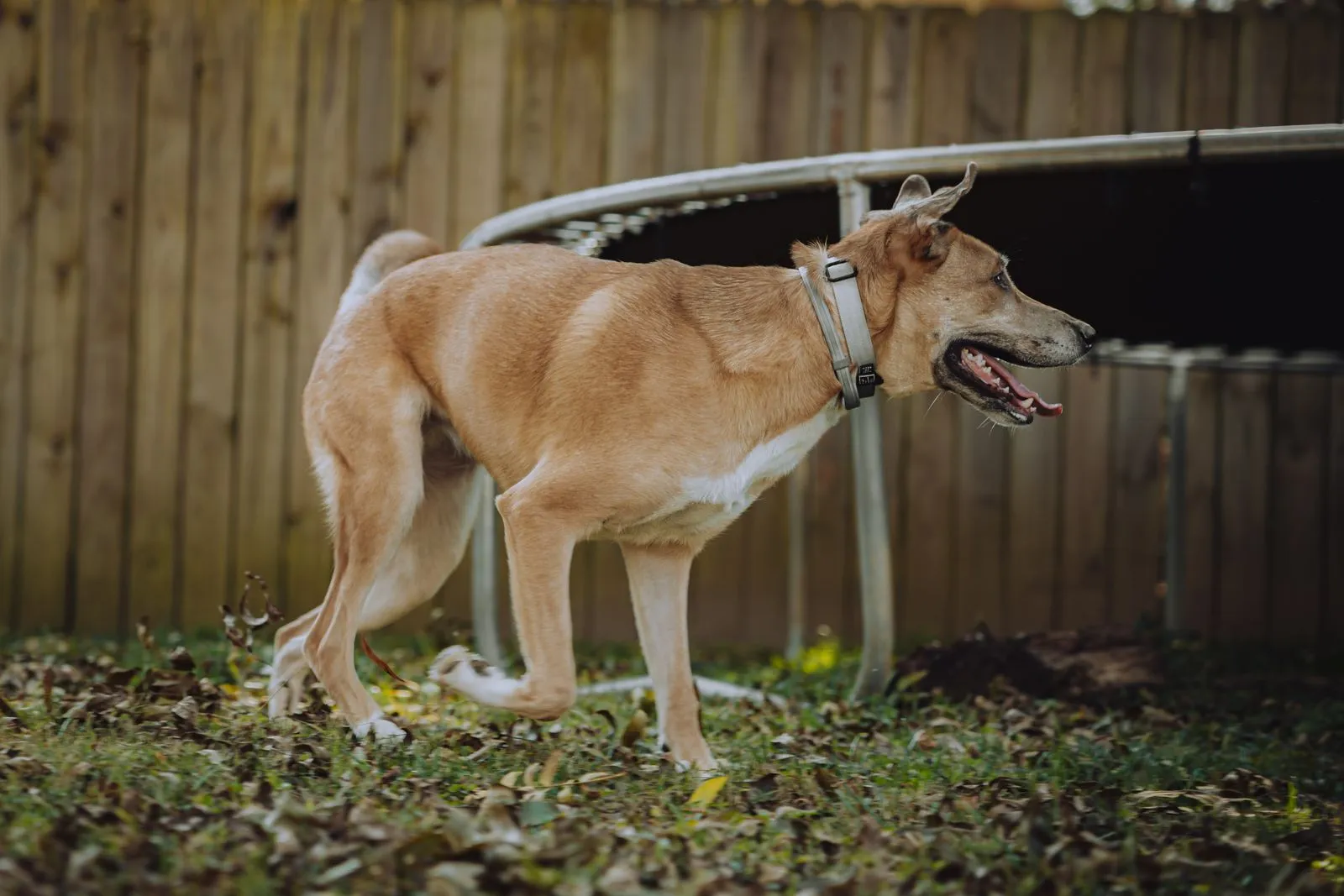
Bringing home a special-needs pet takes thoughtful preparation, but you do not need to solve everything at once. Start by learning what helps your prospective pet feel secure and what care they will need each day. Then set up a quiet, accessible space and organize essential supplies before arrival. A predictable home can make the first days less overwhelming for both of you, while giving you room to adjust as you learn your pet’s preferences.
Create a Safe, Quiet Space
Choose a low-traffic area where your pet can rest without being disturbed. Set up a bed or resting surface, water, and familiar items recommended by the rescue or veterinarian. Use gates or closed doors to control access if needed, and make sure the space is free of cords, small objects, and household products your pet could reach.
Consider how your pet moves and senses the environment. Clear wide paths for pets using mobility aids, add non-slip rugs on slick floors, and keep food and water easy to reach. For a pet with limited vision or hearing, avoid rearranging furniture often and use consistent verbal or tactile cues that the rescue team recommends.
Plan the Daily Routine
Write down the care tasks your pet needs, including meals, medication, bathroom breaks, grooming, exercise, and rest. Confirm instructions with the rescue and the pet’s veterinarian, especially for medication timing or mobility support. A simple checklist can help everyone in the household follow the same plan and notice missed tasks.
Build a routine that fits your real schedule rather than an ideal one. Decide who handles each task and what happens when that person is unavailable. Keep feeding and medication supplies together, and set reminders if they help. Introduce changes gradually so your pet has time to settle into predictable patterns.
Make Practical Home Adjustments
Walk through your home at your pet’s level and look for obstacles or hazards. Secure loose cords, store medications and cleaning products out of reach, and check fences, balconies, and gates. If your pet has trouble with stairs, plan a ground-floor resting area and ask a veterinarian whether ramps or other equipment would be appropriate.
Gather only the supplies suited to your pet’s needs. Depending on their care plan, this may include washable bedding, a harness, feeding aids, or cleaning supplies. Ask the rescue which equipment is already familiar to the pet and how to use it safely. Keep important instructions and veterinary contact details somewhere every caregiver can find them.
Prepare for a Gradual Welcome
Before arrival, agree on household rules and give children clear guidance about gentle handling and when to leave the pet alone. Keep introductions to other animals calm and supervised, following advice from the rescue. Set aside a few quiet days if possible, so you can observe how your pet eats, rests, moves, and responds to the home.
Expect to make adjustments after you see how your pet manages the space. Keep notes about appetite, bathroom habits, comfort, and any changes that concern you. Share those observations with the rescue or veterinarian rather than changing treatment on your own. Small, informed adjustments can make daily care safer and more comfortable.
A safe space, a manageable care routine, and a few targeted home adjustments give a special-needs pet a steadier start. Ask the rescue team what works for the individual animal, then adapt as you get to know them. Gentle Paws Rescue can help you discuss a pet’s needs and plan for a confident welcome.